From Map to Table: Local Recipes That Chart Flavor Close to Home

Today we celebrate Map-to-Table Local Recipes by tracing flavors to the streets, fields, markets, and waters that surround you. We will follow ingredients from their precise places, honor the people behind them, and turn that journey into dishes that taste like community. Share your favorite neighborhood finds, subscribe for fresh ideas, and help chart a living culinary map together.

Chart the Edible Landscape Around You

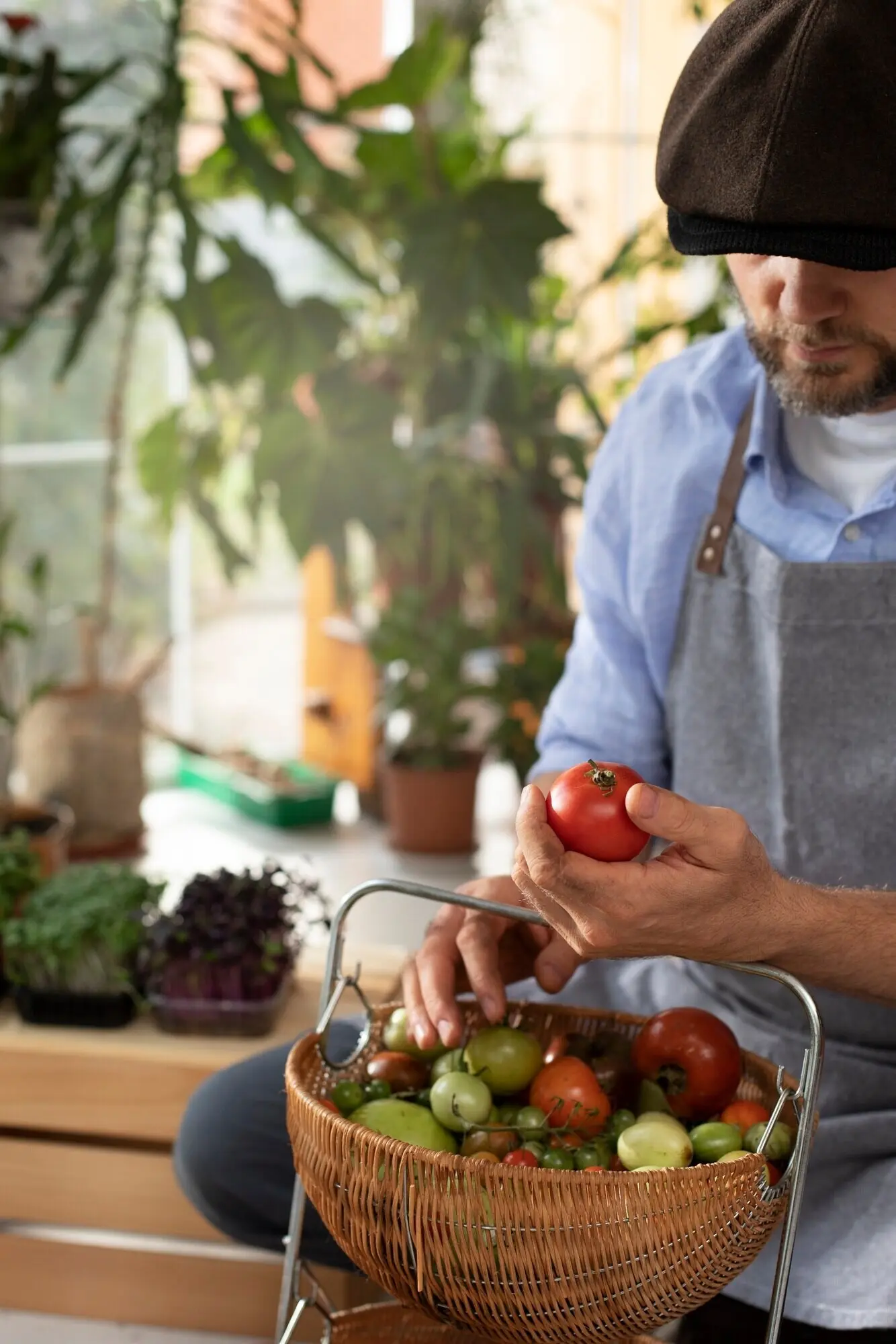
Before cooking, become a gentle cartographer of flavor. Walk the market with a notebook, mark farm stands on a map app, and learn who harvests what, when, and how. Use seasonal calendars, tide tables, and small conversations to build a living guide. Your recipes become richer when every ingredient carries a story, a coordinate, and a handshake that affirms shared care.

Seasonal Scouting Checklist

Start with a simple loop through nearby markets, community gardens, and co-ops. Note first arrivals, peak weeks, and farewell dates for produce. Ask growers about fields, varieties, and picking days. Track weather swings that shift ripeness. Capture specifics, like apple cultivars or tomato strains, because nuance guides technique. With time, your calendar becomes a reliable compass that points directly to flavor.

Reading Market Maps and Labels

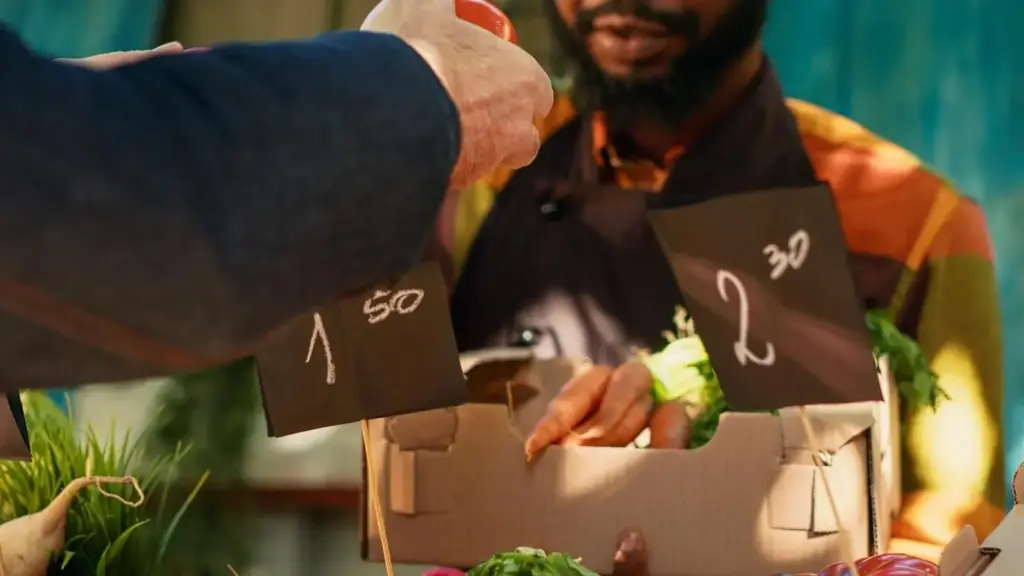
Stall maps reveal proximity and patterns: who clusters near coolers, who rotates weekly, who brings heritage varieties. Labels whisper crucial details, from harvest dates to varietal names and growing practices. Ask about days since harvest and storage temperatures. Learn common metrics like Brix for sweetness. These little clues transform guesswork into confident choices that echo the place each ingredient calls home.

Relationships Before Recipes

Introduce yourself to producers with genuine curiosity. Learn how they recommend storing greens, finishing meats, or washing tender herbs. Ask what they cook after market day. Respect pricing that sustains their work. When a farmer saves a flat of imperfect strawberries for your jam, or a fisher texts when the tide runs clean, trust and flavor deepen together, recipe after recipe.

Micro-Terroir on a Plate

Taste shifts with soil, wind, and water. A hillside’s morning shade softens greens, while sandy beds sharpen carrot sweetness. Urban rooftops lend floral notes to honey that backyards cannot mimic. Let these micro-differences guide technique: a gentler simmer, a shorter sear, or extra resting time. Cooking becomes an attentive translation of place, where small decisions honor the land’s quiet voice.

Techniques That Respect Place

Map-to-table cooking is not just sourcing; it is adapting technique to what the land provides. Softer greens demand cooler pans, dense roots like patient heat, and mineral-rich water nudges dough behavior. When you let ingredients dictate pace and method, flavors feel effortless and honest. Precision grows naturally from listening closely to the origin of each ingredient you hold.

A Dinner That Follows a Map

Imagine a meal where every course turns a corner on your city map. Start in gardens, detour by rivers, and finish beneath orchard shade. The plate becomes a compass rose, and conversation becomes itinerary. Guests discover small producers through flavor alone, and the distance between origin and table shrinks to a fork-length story filled with gratitude and delicious memory.

Appetizer: Garden Gate

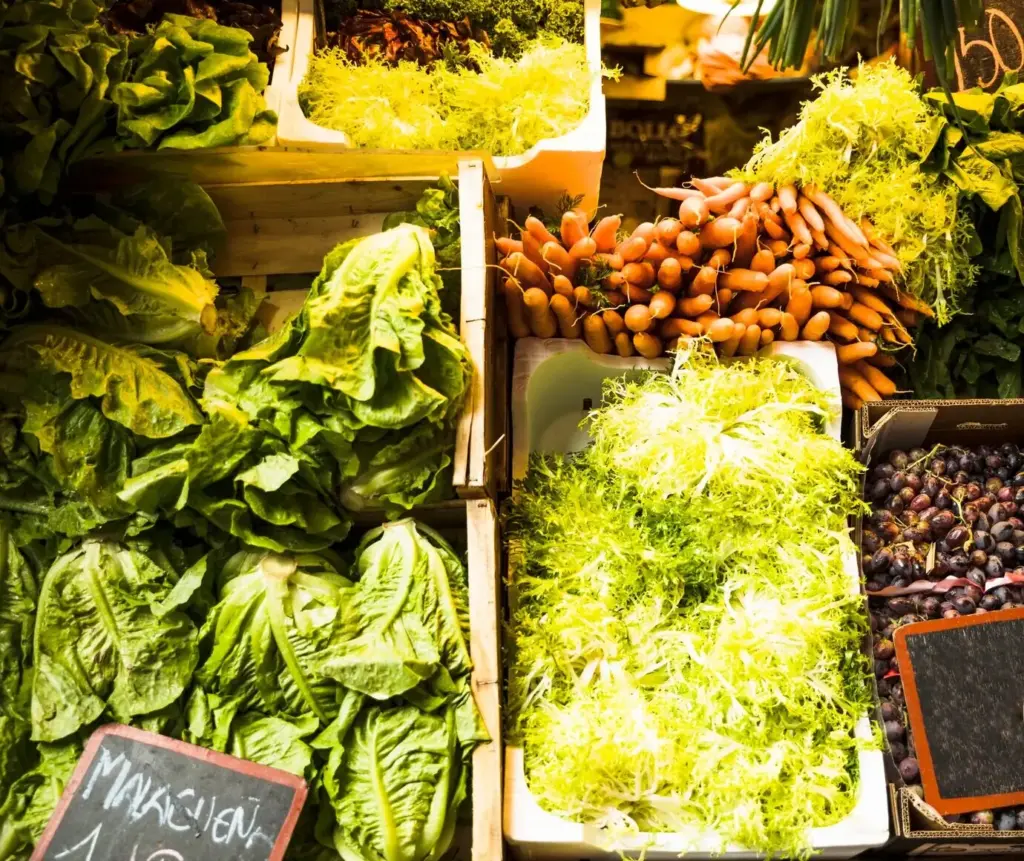
Toss crisp lettuces from a nearby greenhouse with shaved radish and a rooftop-honey vinaigrette, finishing with local cheese crumbles. Explain the grower’s morning harvest and the beekeeper’s favored blooms. Keep textures bright, seasoning restrained, and acidity balanced. As guests taste, they genuinely enter the evening through a gate of dew, soil, and friendly names that anchor every leafy bite.

Main: Riverbend Harvest

Pan-sear trout from a trusted fishmonger or braise beans from a regional seed steward, depending on availability. Build sauce with herb stems, cider from a nearby press, and butter or olive oil. Emphasize clarity of flavor rather than heavy reductions. Mention tide schedules, hatchery practices, or field rotations that shaped this plate. Each detail turns the map line into a satisfying, respectful mouthful.

Preserve the Overflow

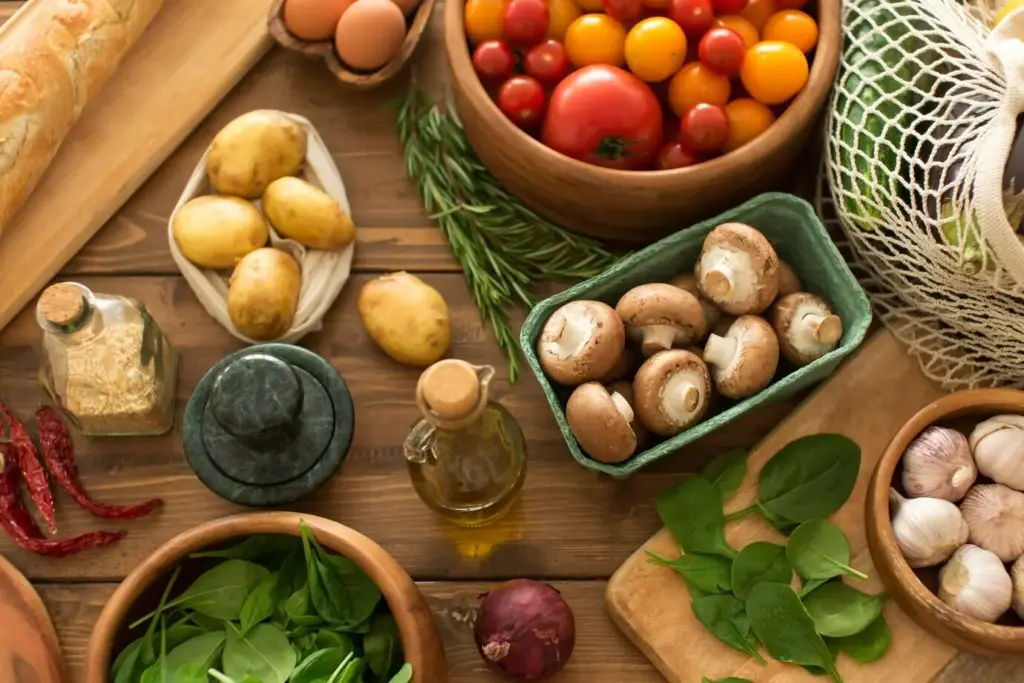
When markets surge with abundance, capture it safely through pickling, freezing, or dehydrating. Keep ingredients clean, jars labeled, and temperatures appropriate for freshness. Freeze berries on trays before bagging, dry herbs gently out of direct sun, and use brines that highlight varietal character. Your winter pantry becomes a library of summertime addresses, ready to enliven soups, stews, and quick weeknight sauces.

Share, Swap, and Support

Join gleaning groups, community fridges, and CSA swap boards to prevent waste and strengthen connection. Trade jars of preserved tomatoes for someone else’s peaches. Ask markets about donation protocols after closing. Every exchange keeps food valued and alive in somebody’s kitchen. That circle of care sustains farms during lean weeks and gives home cooks fresh reasons to experiment, reciprocate, and celebrate together.

Creative Scraps to Delicious Sides

Turn carrot tops into chimichurri, corn cobs into broth, and citrus peels into zesty salts. Wilted greens revive in soups, and stale bread transforms into crunchy pangrattato. Trim thoughtfully, store cold, and cook promptly. Share techniques with neighbors so ideas travel faster than spoilage. With practice, your bin empties while your table fills, proving ingenuity tastes as good as it feels.

Sustainability With Zero-Waste Miles

Sourcing close to home reduces travel, and thoughtful use reduces waste. Preserve bumper crops, rescue cosmetically imperfect produce, and transform trimmings into stocks, salts, and crisps. Compost carefully and store food smartly. Whether you dehydrate herbs or share surplus with neighbors, sustainable habits tell a larger story: each decision respects land, labor, and the future meals we hope to enjoy together.

Map Your Own Recipe Journey

Your turn to chart. Create a simple culinary map marking growers, fishmongers, mills, and beekeepers you trust. Add notes on seasons, preferred varieties, and reliable techniques. Photograph stalls, record conversations, and tag recipes with neighborhoods. Then share your discoveries, ask questions, and subscribe for new prompts. Together we will expand this living atlas, one delicious coordinate and memory at a time.

Build a Personal Flavor Atlas

Start with a blank digital map and drop pins for every dependable source. Attach tasting notes, season windows, and contact details. Track which varieties shine in salads versus roasts. Save favorite cooking times and methods. Over months, patterns emerge as clearly as roads, guiding grocery days and spontaneous dinners that consistently echo the places and people you value most.

Host a Map-to-Table Potluck

Invite friends to bring one dish tied to a local address and a brief story about who grew or caught the star ingredient. Provide a large paper map for pinning cards beside plates. Encourage seasonal focus and gentle sourcing guidelines. Capture photos, swap recipes, and promise to revisit producers. The evening becomes a delicious community map that keeps expanding after dessert.

Join the Conversation

Share your market routes, forager walks, and mill visits in the comments. Ask for help locating specialty items or offer surplus from your garden. Subscribe for monthly ingredient spotlights, maker interviews, and new routes to explore. Your voice and questions shape future recipes, and every thoughtful message adds another landmark to our shared, ever-evolving Map-to-Table journey.
Titoxeritilizi
Privacy Overview

This website uses cookies so that we can provide you with the best user experience possible. Cookie information is stored in your browser and performs functions such as recognising you when you return to our website and helping our team to understand which sections of the website you find most interesting and useful.