Trace Every Bite: From Field Records to Kitchen Confidence

Today we explore Food Origin Tracker: Mapping Ingredients from Farm to Kitchen, a practical, inspiring way to see how crops, animals, and artisan products travel through soil, seasons, transport, and hands. Understand provenance, celebrate makers, reduce waste, and cook with assurance supported by scans, certifications, and stories behind every ingredient you welcome home.

Why Traceability Matters at the Dinner Table

Knowing where food comes from transforms a plate into a story of people, places, and practices. Traceability protects families during recalls, highlights fair pay, reveals environmental footprints, and guides better choices for allergies, diets, and values. When confidence replaces doubt, every meal becomes an informed celebration rather than an anxious guess about hidden journeys or unseen compromises.

How Data Travels: From Soil Sample to Skillet Sizzle
Field Records and First Mile Tags

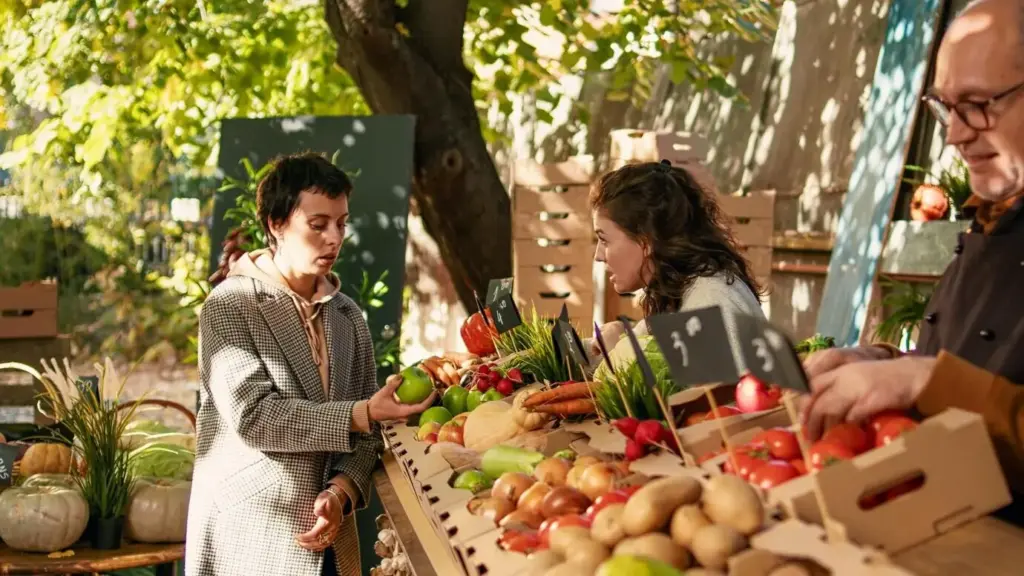
It starts with planting dates, soil analysis, weather diaries, and responsible inputs recorded by growers. Labels or RFID tags bind harvest lots to fields and crews, capturing stewardship down to rows and hours. When storms or pests strike, these early notes contextualize quality, yields, and safety, later proving why one crate excelled while another struggled.
Processing, Batching, and the Digital Twin

It starts with planting dates, soil analysis, weather diaries, and responsible inputs recorded by growers. Labels or RFID tags bind harvest lots to fields and crews, capturing stewardship down to rows and hours. When storms or pests strike, these early notes contextualize quality, yields, and safety, later proving why one crate excelled while another struggled.

Logistics, Cold Chain, and Arrival Scans

It starts with planting dates, soil analysis, weather diaries, and responsible inputs recorded by growers. Labels or RFID tags bind harvest lots to fields and crews, capturing stewardship down to rows and hours. When storms or pests strike, these early notes contextualize quality, yields, and safety, later proving why one crate excelled while another struggled.

Tools You Can Use Today

You do not need a warehouse to benefit from granular origin details. Smartphone scanners read QR and barcodes, while retailer portals provide lot histories, certifications, and storage tips. Save favorite producers, bookmark seasonal peaks, and build a pantry view with verified dates. With a few taps, sourcing confidence becomes a daily cooking habit worth keeping.
Open your camera, hover over the code, and let the product’s journey unfold. Look for farm coordinates, processing batches, and temperature logs. Keep notes about taste and texture when provenance shifts with seasons. Over time, your scans reveal patterns: which orchards yield crisp sweetness in autumn, which mills nail consistency through humid months.
Badges can blur together on packaging, but traceable entries link to certifiers, audits, and expiration dates. Verify organic, fair-trade, or fishery ratings through referenced databases rather than trusting vague seals. When claims include lot numbers, auditor names, and scope details, you gain proof instead of promises, helping your money reward responsible, verifiable practices.

Farmers and Makers in the Spotlight

Behind every jar and loaf stands a community. Traceability lets their work speak: not just yield totals, but resilience during droughts, fair wages during surpluses, and joy during harvest festivals. When you can see the hands and places involved, gratitude deepens, and choosing seasonal, direct, or certified options becomes an act of connection, not abstraction.

Standards, Privacy, and Doing It Right
Regulations That Protect Your Plate
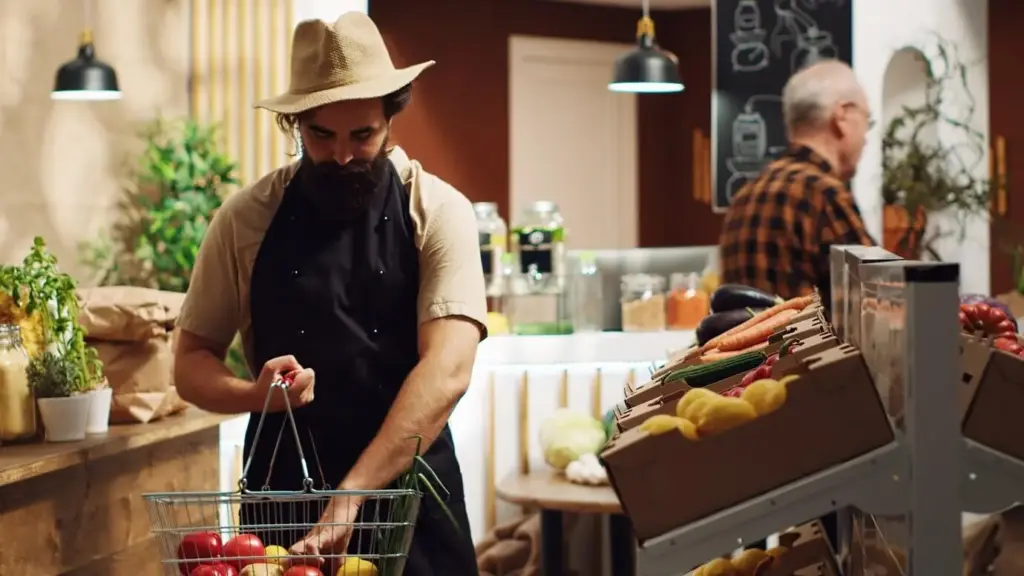
Rules like FSMA 204 and European traceability frameworks require critical tracking events, making risky gaps harder to hide. When lots are linked across receiving, transformation, and shipping, investigations move faster, outbreaks shrink, and honest producers are not punished by broad suspicions. Consumers get safer meals and fewer alarming headlines interrupting planned celebrations.

Standards That Let Systems Talk

Common languages such as GS1 identifiers, EPCIS events, and data quality guidelines prevent mismatched spreadsheets and lost context. A tomato’s code should mean the same thing at the packhouse, distributor, and store. Interoperability unlocks scale, enabling small farms and huge retailers to cooperate, verify facts, and deliver clarity that anyone with a phone can read.

People, Consent, and Sensitive Locations

Visibility should never expose workers’ homes, endangered species nesting areas, or precise routes vulnerable to theft. Masked coordinates, aggregated timelines, and consent-driven sharing protect livelihoods while still proving credibility. When systems are designed with dignity in mind, stakeholders participate enthusiastically, and the resulting data becomes richer, more reliable, and truly worthy of trust.

Cooking With Confidence: Bringing It Home
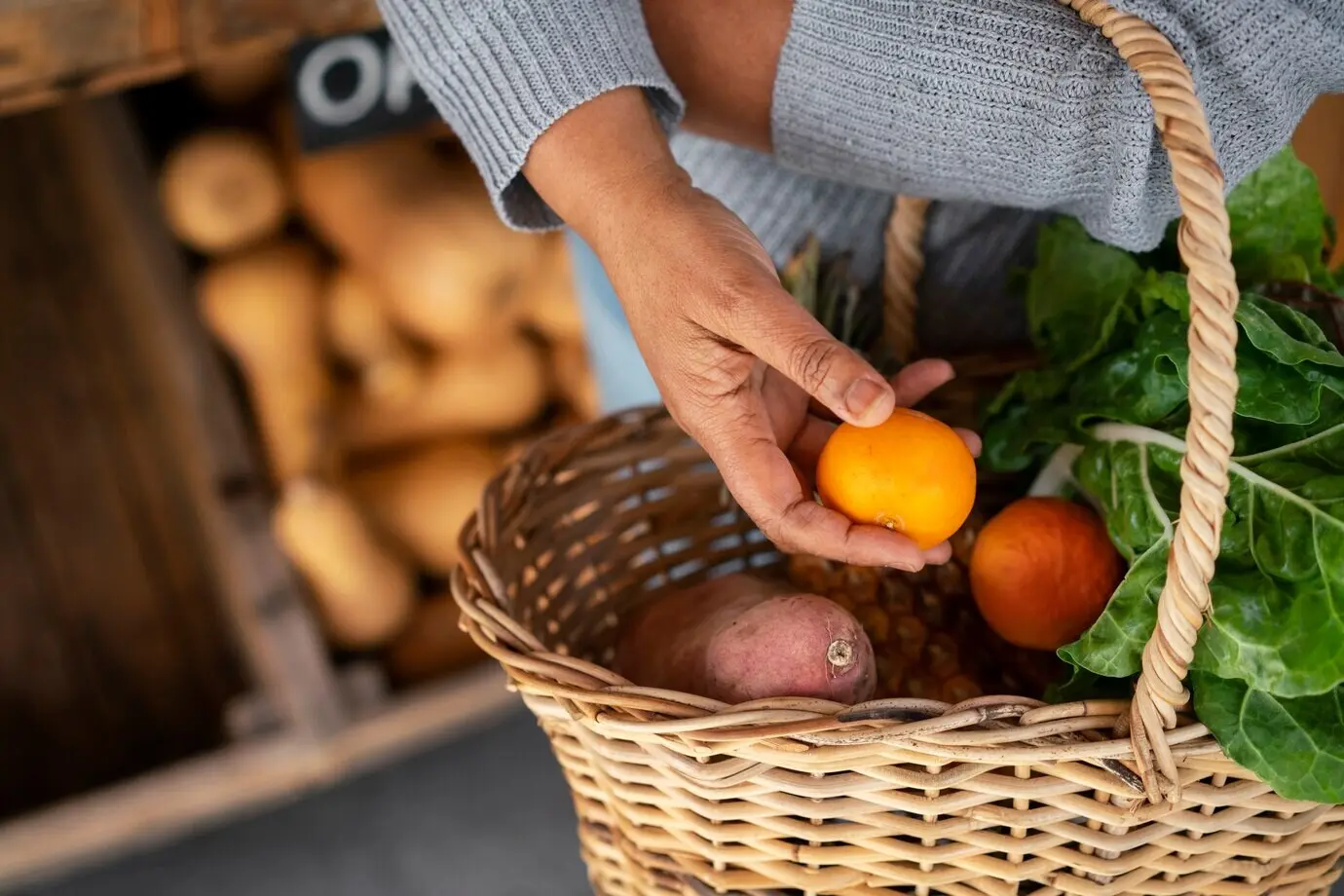
Origin details become delicious decisions when they reach the kitchen. Choose the freshest batch, the steward who farms water wisely, and the cooperative that invests in youth. Plan meals around seasonal peaks verified by scans. Share your favorite discoveries, ask questions, and subscribe for new field stories that brighten weeknight routines with grounded, joyful certainty.

Menu Planning With Provenance

Build a week of meals from ingredients with transparent histories. Pick Tuesday’s pasta using durum noted for protein strength and minimal transport delays. Save Friday for fish landed sustainably yesterday. Let the backstory guide sauces, techniques, and pairings, transforming planning from guesswork into a thoughtful ritual that nourishes taste, health, and community ties.

Reducing Waste With Smarter Dates

Stop treating every date as doom. Traceable freshness indicators and temperature histories differentiate caution from catastrophe. Use-first lists prioritize lots nearing peak, while verified storage guidance rescues herbs, berries, and greens. You will trim fewer wilted ends, save money, and keep edible food out of the bin without sacrificing safety or satisfaction.

Join the Conversation, Share a Scan

Your experience matters. Comment with scans that surprised you, producers you admire, or labels that felt confusing. Ask questions we can investigate with growers, fishers, and bakers. Subscribe for practical guides, seasonal timelines, and case studies. Together we will make provenance normal, delightful, and easy enough to improve tomorrow’s dinner without extra fuss.
Titoxeritilizi
Privacy Overview

This website uses cookies so that we can provide you with the best user experience possible. Cookie information is stored in your browser and performs functions such as recognising you when you return to our website and helping our team to understand which sections of the website you find most interesting and useful.